
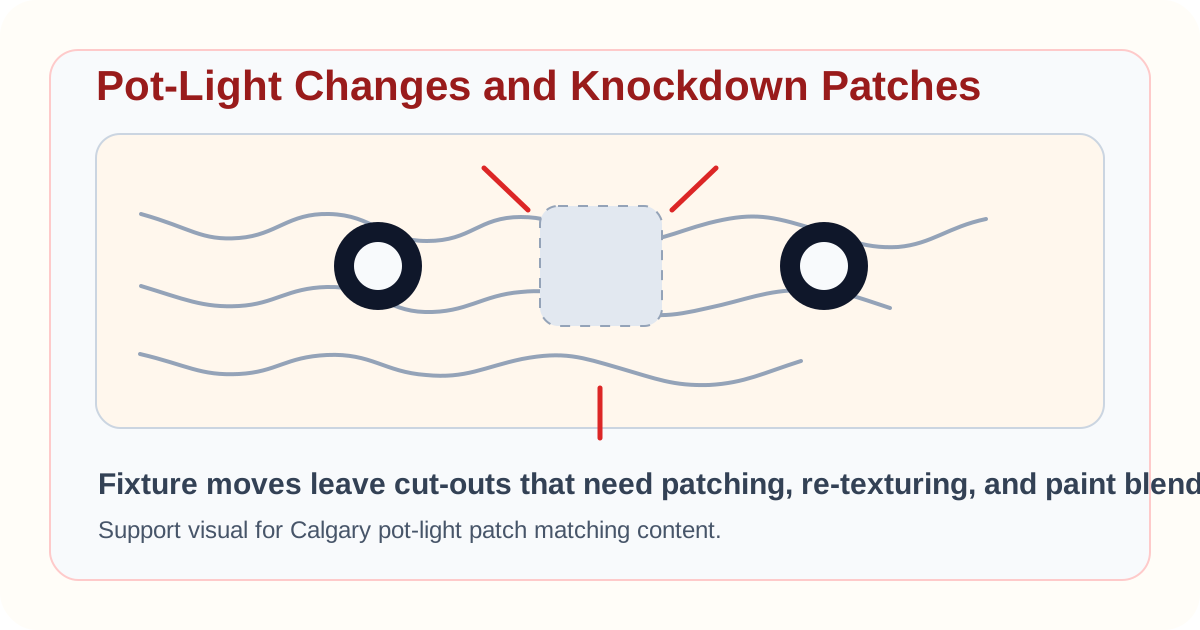
Why pot-light repairs show so easily
Pot-light openings sit in highly visible parts of the ceiling and are usually surrounded by clean paint, direct light, and repeating texture patterns. That makes mismatched repairs stand out quickly.
Common problems after fixture changes
- Old openings leave cut-out lines that must be patched flat before texture is applied.
- New fixture layouts create several small repair zones that can look inconsistent if they are textured one by one.
- Ceiling paint often has to be blended wider than the patch because sheen differences show around pot lights.
- Matching the surrounding knockdown pattern matters more on open ceilings with lots of natural light.
What a proper repair should include
The patch should be rebuilt flat, re-textured to match the surrounding knockdown pattern, and repainted so the sheen stays even around the fixture line. If the ceiling has several openings, the crew may need to treat the whole area as one blended repair rather than several isolated spots.
Planning the repair before work starts
Pot-light jobs go more smoothly when the ceiling is scoped as a full visual field instead of a set of isolated holes. That helps the contractor price texture blending and repainting more accurately.
- Count every old and new opening before the quote so the ceiling is priced as one repair scope, not a surprise add-on.
- Take room-wide photos, not just close-ups, because light layout affects how visible the patches will be.
- Expect wider paint blending when the fixtures sit in the main sightline of the room.
- If there are many openings, the crew may recommend handling the full field together for a cleaner final look.
Why this matters for homeowners
This article covers fixture-change repairs, which are different from leak repairs but still depend on the same texture-matching and paint-blending process.
- This topic explains fixture-cutout repairs, one of the most common reasons homeowners need knockdown blending.
- Texture matching explains how the pattern side of that repair works.
- Pricing explains why several openings can move the job from a small repair into a larger custom quote.
- The service page is where you go once the scope is clear and you are ready to book the repair.
How this connects to the rest of the repair work
Pot-light repairs are one of the clearest examples of why texture matching matters. If you are budgeting the work, compare it against our knockdown repair pricing guide. If you need the repair done, go straight to knockdown ceiling repair.
Related scenario: leak stains and water-damage repairs
If your ceiling issue started with a stain or a soft spot rather than fixture work, read our water-damage repair guide. That article covers how hidden moisture changes patch scope before the texture is even matched.